
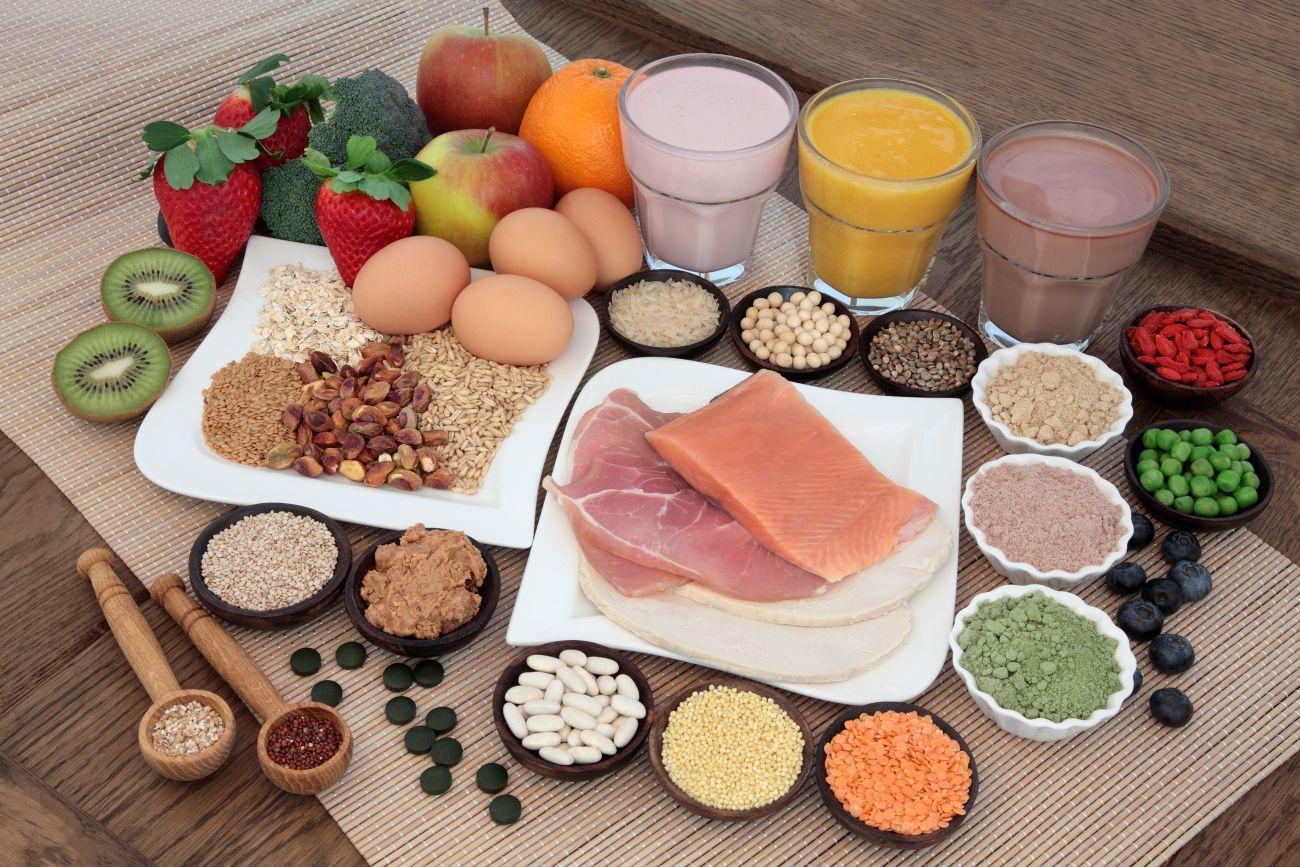
Increasing your protein intake doesn’t have to involve complicated meal plans or drastic dietary changes. With a few thoughtful adjustments, you can incorporate more nutrient-dense foods into your routine in simple, satisfying ways. Protein supports muscle health, boosts energy, and helps keep you feeling full, making it an essential part of daily nutrition. From smart snacking to creative meal additions, there are plenty of approachable strategies anyone can use to meet their protein goals.
1. Almonds
It’s safe to say that almonds are incredibly popular. Sure, almonds are delicious, but they’re also highly nutritious and packed full of the protein that your body needs.
A single ounce of almonds contains as much as six grams of protein. As such, almonds can be an incredibly useful resource for anyone looking to up their protein count.
Snack on them throughout the day, slice them and mix them into your stir fry, or mix them into your salad to give your meal an extra boost of protein.
2. Protein Shakes
Protein shakes are not just for bodybuilders. They are a great, efficient, and healthy solution for anyone trying to boost their protein intake.
Although whey protein is the most common, there are plenty of options available today. This includes soy, hemp, casein, and pea.
3. Plant Protein
Increasing your daily protein macros doesn’t have to mean increasing your meat consumption. In fact, if you’re hoping to boost your protein intake in an economical and sustainable way, you’re probably going to have to experiment with plant-based protein.
Tofu, lentils, chickpeas, beans, hempseed, green peas, and quinoa are all fantastic, plant-based sources of protein to help keep your healthy-living plan on track.
4. Cottage Cheese
Cottage cheese is slowly becoming a darling of the health-conscious community at large.
Why? For starters, a 100-gram serving of full-fat cottage cheese contains 11.5-grams of protein. That’s 25 percent more than Greek yogurt.
Better yet, a study from Florida State University suggests that cottage cheese is the ideal before-bed snack. This is great news for anyone who finds themselves sneaking to the fridge in the middle of the night.
6. Canned Fish
When it comes to increasing your protein intake or making any measure of meaningful change, it’s about working smart.
Canned fish, for example, is an affordable and easy-to-prepare alternative to an hour-long meal prep session. It’s packed full of protein too!
Just four ounces of canned tuna contains a whopping 33-grams of protein! Not bad for something that requires little preparation, and you can keep in your pantry for up to five years.
7. Cheese
You can do much worse than cheese in your search for protein-rich food. It’s delicious, obviously. But it’s also incredibly versatile, and its variations are incredibly vast.
When you consider the different types of cheese available to you today and multiply that by the breathtaking landscape of cheese-inspired recipes, the possibilities are truly endless.
Did we mention that cheese has a lot of protein? Just one ounce of Parmesan contains a staggering 11-grams of protein.
8. Eggs
Eggs may not be as versatile as cheese. But they are a very, very close second.
There is a reason that eggs are a dietary staple across cultures all over the world. They are an incredibly accessible and affordable source of healthy protein. Plus, they’re delicious.
Two large eggs are packed with nearly 13 grams of protein. Moreover, preparing them can be as easy as hard-boiling them for 13 minutes or as complex as making a fancy omelet
Dealing with a Decreased Appetite
Suffering from a decreased appetite can be incredibly frustrating — especially when the lack of nourishment begins to drag you down. Thankfully, there are several different strategies that you can try to help keep you healthy.
Eat Small Meals
Adjusting the way that you consume food, however slightly, can make an impact. Frequently eating small meals throughout the day will help you feel less full. Plus, it may even stimulate your appetite over time.
Instead of three large meals per day, try five or six smaller ones instead.
Avoid Greasy Food
Food that is greasy tends to make a person feel fuller than they actually are. Because you feel much fuller than you normally would on a whole-food rich diet, you’ll eat less and receive less of the vital, energizing nutrients that you need.
Where possible, avoid deep-fried foods and stay away from grease!
Avoid Carbonated Drinks
Much like greasy food, carbonated drinks fill up your belly. This creates a feeling of satiety that can undo all your hard work.
Best to avoid carbonated drinks altogether — especially the sugary ones. You may want to avoid gas-inducing food, like beans, broccoli, and cauliflower, as well.
Increase Your Protein
It’s important to note that no one strategy, food supplement, or recipe can work as a universal fixer for a decreased appetite or protein-deficient diet. Everyone has different tastes, preferences, and biological requirements that make generalizations all but impossible.
Mix, match, and modify the tips you’ve read here, along with other healthy eating tips you find online and consultation from your doctor. Dedicate yourself to discovering what works best for you. With all that help, you’ll be well on your way to a healthier, protein-rich diet in no time.