

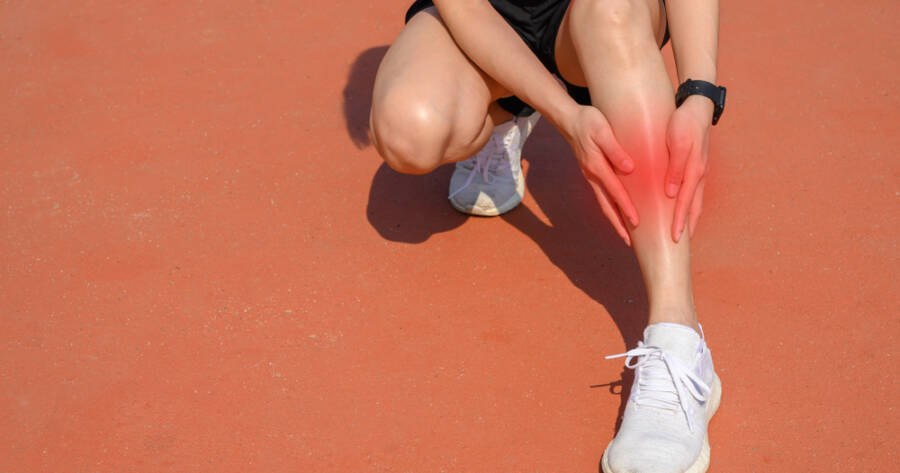
Shin splints, or medial tibial stress syndrome, are a common overuse injury that causes discomfort along the shinbone (tibia). They frequently affect runners, dancers, athletes, and anyone engaging in repetitive high-impact activities. The condition develops when excessive strain is placed on the tibia and surrounding muscles, leading to inflammation, tightness, and sensitivity. Understanding what causes shin splints (and how to prevent them!) can help you stay active, reduce your risk of injury, and maintain a consistent exercise routine without pain.
How to Avoid Shin Splints
1. Gradually Increase Activity Levels
One of the most common causes of shin splints is increasing exercise intensity too quickly. To avoid this:
- Gradually increase your running or workout duration by no more than 10% per week.
- Allow your body time to adapt to new training regimens.
2. Wear Proper Footwear
Wearing the right shoes plays a crucial role in shock absorption and foot support. To prevent shin splints:
- Choose running shoes with adequate cushioning and arch support.
- Replace shoes every 300 to 500 miles or when they show signs of wear.
- Use orthotic inserts if you have flat feet or high arches.
3. Strengthen Leg Muscles
Weak muscles can contribute to shin splints by increasing stress on the tibia. Strengthening your lower legs can help:
- Perform calf raises, toe taps, and resistance band exercises to build muscle endurance.
- Strengthen the core and hips to improve overall leg stability.
4. Avoid Hard Surfaces
Running or exercising on hard surfaces like concrete increases the impact on your shins. Instead:
- Opt for softer surfaces such as grass, tracks, or treadmills.
- Cross-train with low-impact activities like swimming or cycling to reduce strain.
5. Stretch and Warm Up Properly
Tight calf and shin muscles can increase stress on the tibia. To reduce your risk of shin splints:
- Stretch your calves and Achilles tendon before and after workouts.
- Incorporate dynamic warm-ups like leg swings and ankle circles.
How to Treat Shin Splints
If you develop shin splints, early intervention is key to recovery. Follow these treatment strategies:
1. Rest and Modify Activity
The most effective way to heal shin splints is to reduce high-impact activities that cause pain. You don’t have to stop exercising entirely, but you should:
- Reduce running or jumping activities until the pain subsides.
- Opt for low-impact exercises like swimming, cycling, or yoga.
2. Ice Therapy
Applying ice to the affected area helps reduce inflammation and pain. To do this:
- Apply an ice pack for 15-20 minutes several times a day.
- Use a thin cloth to prevent direct contact with the skin.
3. Compression and Elevation
Using a compression sleeve or bandage can provide support and reduce swelling. Additionally:
- Elevate your legs to reduce inflammation after exercise.
4. Over-the-Counter Pain Relief
If the pain is significant, nonsteroidal anti-inflammatory drugs (NSAIDs) can help reduce discomfort and inflammation.
5. Stretching and Foam Rolling
After the acute pain subsides, gentle stretching and foam rolling can aid recovery. Focus on:
- Calf and shin stretches to increase flexibility.
- Foam rolling the calves and shins to relieve muscle tightness.
6. Gradual Return to Activity
When pain subsides, return to activity slowly to prevent recurrence. To do this:
- Start with short, low-intensity workouts before increasing duration or intensity.
- Use the 10% rule to gradually rebuild endurance.
When to See a Doctor
Shin splints usually improve with rest, ice, and gradual return to activity, but there are times when professional care is necessary. If your pain continues despite taking time off from high-impact exercise and following standard self-care treatments, it could signal a more serious issue. Persistent discomfort, especially when it interferes with walking or everyday activities, should not be ignored.
You should also seek medical attention if you notice significant swelling, numbness, or tingling in the lower leg, as these symptoms may indicate nerve involvement or complications beyond simple inflammation. Likewise, pain concentrated in one specific spot along the shinbone—rather than a broader area—can be a warning sign of a stress fracture. Getting a proper diagnosis ensures you receive the right treatment and prevents further injury.
Stay Active and Pain-Free
Shin splints can be frustrating and painful, but with the right preventive measures and treatment strategies, they don’t have to sideline you from your favorite activities. By wearing proper footwear, strengthening muscles, avoiding hard surfaces, and gradually increasing activity levels, you can reduce your risk of developing shin splints.
If shin splints do occur, rest, ice therapy, compression, and gradual return to exercise can speed up recovery. Listening to your body and making adjustments early can prevent small irritations from becoming long-term injuries. Building balanced strength, improving flexibility, and prioritizing smart training habits will help you stay active, pain-free, and confident in your workouts for the long run.