
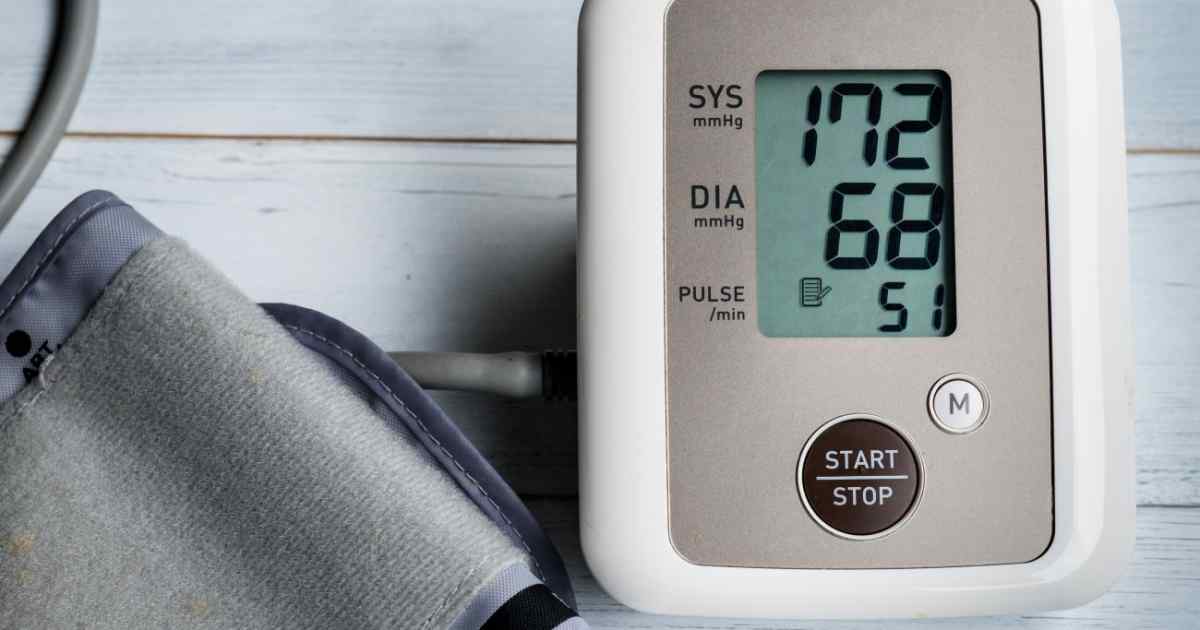
High blood pressure affects millions of Americans and often goes unnoticed because early signs tend to mirror other health concerns. Clear understanding of the condition becomes valuable, especially when symptoms are subtle or misinterpreted. Although not a disease on its own, elevated blood pressure signals a heightened risk for serious complications, including heart and vascular issues. With so many individuals impacted, awareness of causes, potential dangers, and preventive steps plays an important role in protecting long-term health.
What is High Blood Pressure?
High blood pressure is a condition in which the force of your blood pushing against your blood vessel walls is too high. To better understand the significance of blood pressure and what it means for our overall health, we must have a basic understanding of how the circulatory system operates.
To be healthy, we need to be able to circulate our blood to all areas of the body. As blood is transported from one area to another, it delivers oxygen and carries away waste products as needed. With each beat of the heart, blood is pushed out and into the blood vessels to be circulated throughout the body. When the blood is pushed out too forcefully, it can cause damage to the walls of the blood vessels over time.
Therefore, persistent high blood pressure is known to create an increased risk for various other potentially serious health conditions. Some of these health conditions include the following:
- Strokes.
- Sexual dysfunction.
- Heart attacks or heart failure.
- Loss of proper vision.
- Kidney disease.
Symptoms and Causes
High blood pressure, also sometimes called hypertension, can result in many different bothersome symptoms. Depending on the individual affected and how high the blood pressure is, the following symptoms may be present in varying degrees:
- Shortness of breath, especially with exercise.
- Headaches that may become severe.
- Frequent nose bleeds.
- Dizziness.
It is important to note that high blood pressure frequently has no accompanying symptoms to alert the individual to the existence of a problem. In fact, it is quite common for no symptoms to be present at all until the blood pressure reaches a critical and life-threatening point. For this reason, some people with a family history of this problem may choose to monitor their blood pressure at home on a regular basis. This way they can alert their physician to the presence of any changes or high readings that occur on a regular basis.
High blood pressure can have a vast number of causes, depending on the patient in question and their lifestyle habits. Some of the most commonly recognized causes of high blood pressure include the following:
- Thyroid conditions.
- Some prescription medications.
- Use of illegal drugs or alcohol.
- Tumors of the adrenal gland.
- Congenital defects.
- Kidney problems.
Common Treatment Options
Lifestyle changes along with prescription medications are generally required in order to bring high blood pressure back into normal limits and improve the health of the patient. Below are some of the most common medications and treatment options for controlling high blood pressure:
Diuretics
Diuretics are sometimes prescribed to help the kidneys become more efficient at eliminating excess sodium and water from the body. As a result of this, the overall blood volume is reduced, and the blood pressure will naturally lower as a result.
Beta-blocker medications
Beta-blocker medications help the heart to beat slower, open up the blood vessels, and reduce the pressure placed on the circulatory system overall.
ACE Inhibitors
ACE inhibitors help block the formation of a natural chemical that narrows the blood vessels, thus effectively reducing the blood pressure.
Calcium Channel Blockers
Calcium channel blockers help relax the smooth muscles of the blood vessels and slow the heart rate.
Alternative Treatment Options
If you have high blood pressure, your doctor will likely advise you to stop smoking and possibly to lose any excess weight you may carry. Additionally, he may also advise that you reduce your intake of sodium-rich foods. It is important to limit the intake of any foods rich in salt, as sodium increases blood pressure. The following natural remedies may also help some patients experience relief from high blood pressure:
- Eat more magnesium and calcium-rich foods.
- Reduce stress with meditation or deep breathing.
- Avoid alcohol, caffeine and tobacco.
- Natural supplements like fish oil.
- Get more exercise